


Interior and exterior mural restorations
Mural Painting Restoration
IN Valfenera, Asti and Province
“A restoration makes the past present”
Restoration is a fundamental activity for preserving the visual memory of buildings and maintaining the artistic and architectural value of painted surfaces over time. Intervening on a mural decoration, a pictorial cycle, or decorated surfaces requires a balance of technical expertise, artistic sensitivity, and respect for the original material. Restoration is not a transformation process, but rather a targeted intervention aimed at preserving, stabilizing, and restoring the legibility of decorative elements that have been progressively altered by time, wear, or environmental factors.
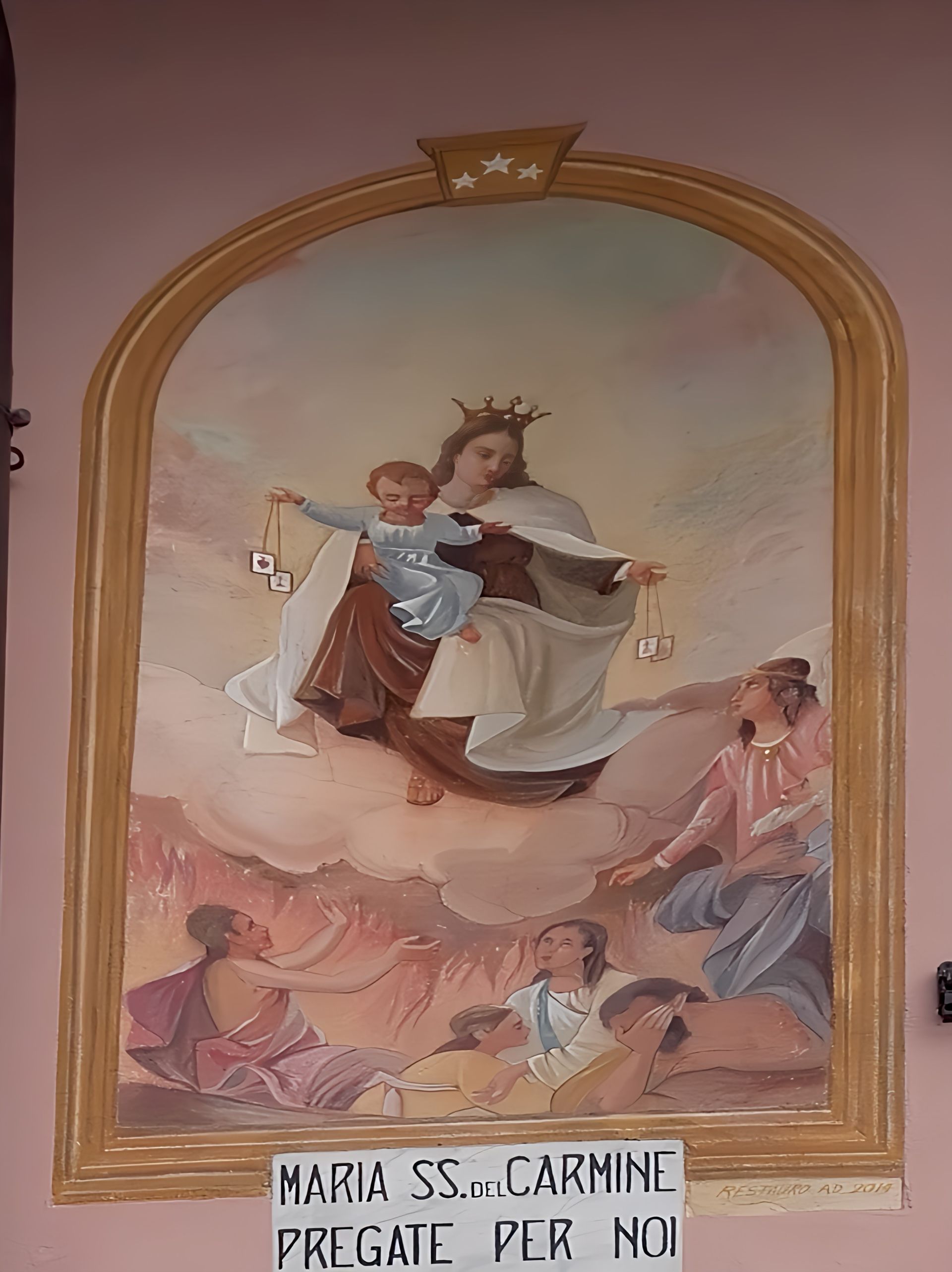
Daniela Montrucchio performs painting restoration work on interior and exterior surfaces, employing meticulous and carefully calibrated methods that restore the visual quality of the work without altering its original nature. Each project is preceded by a preliminary analysis of the surface conditions and a technical assessment that determines the most appropriate intervention method. This approach ensures work that respects the historical identity of the artwork and preserves its aesthetic balance.
Mural painting restoration and surface conservation
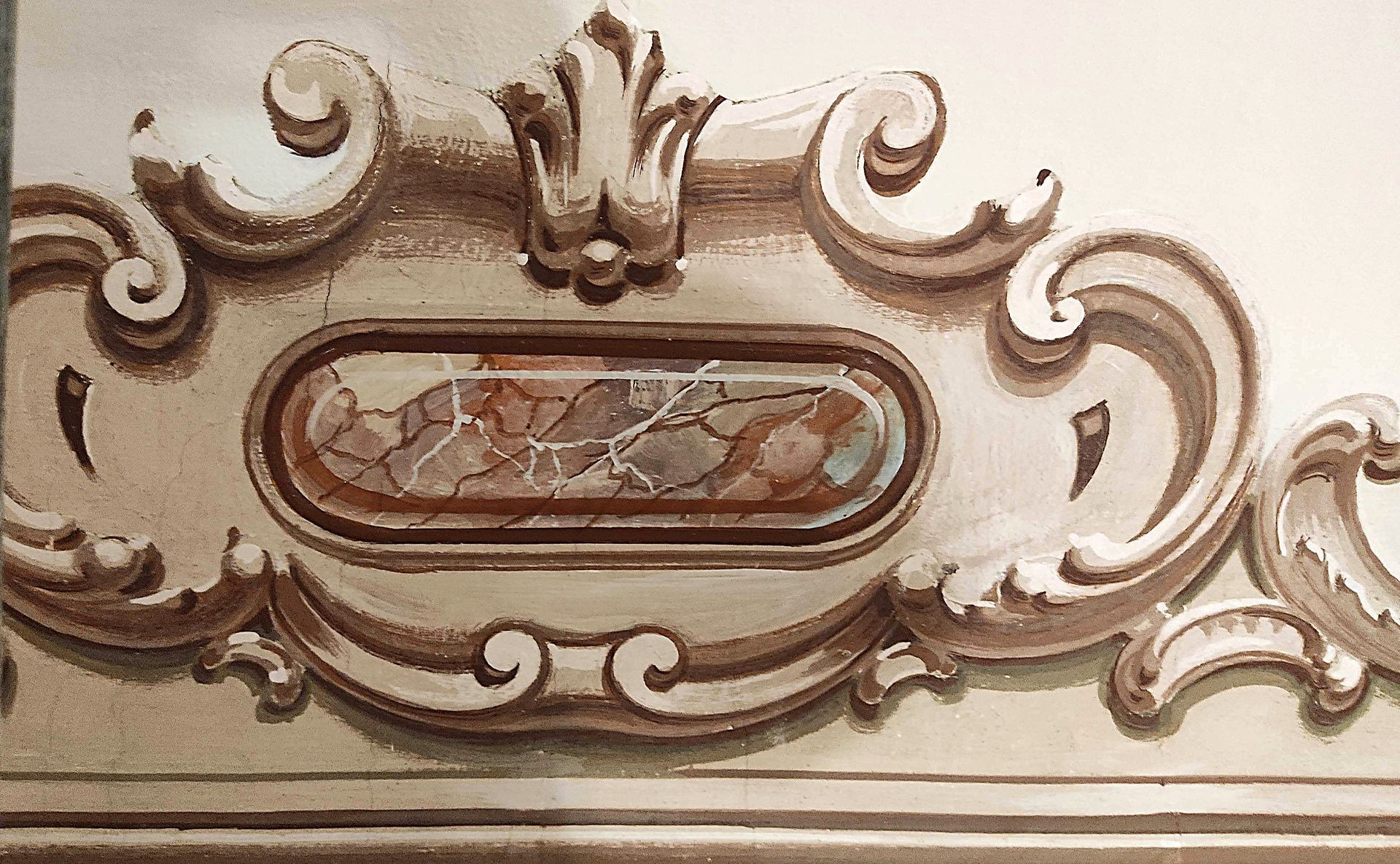
Mural painting restoration is one of the core activities in restoration. Painted surfaces, whether decorative or architectural, can suffer from chromatic alterations, surface deposits, microcracks, or detachments over time. The task of restoration is to precisely address these phenomena, restoring the work's stability and legibility.
Interventions are carried out through specific processes, which may include cleaning the painted surfaces, conservative fillings, micro-fillings, pictorial additions, and color and material rebalancing. Each phase is carried out with tools and materials appropriate to the nature of the support, avoiding invasive interventions that could compromise the authenticity of the surface.
The guiding principle of restoration is to preserve the original material, intervening only where necessary and using techniques compatible with the existing support. This allows the historical and artistic value of the work to be preserved intact, revealing details and colors that have faded over time.
Cleaning and recovery of painted surfaces
One of the most important steps in the restoration process is cleaning the surfaces. Over the years, decorated walls can accumulate dust, smog, organic residue, or discoloration caused by exposure to the elements or the aging of the materials.
Cleaning is carried out using methods selected based on the type of surface and the fragility of the painting. The goal is to remove layers of deposits without compromising the underlying paint layer, restoring the work to its original clarity. This process often allows us to bring to light details, nuances, and chromatic variations that had been progressively obscured.
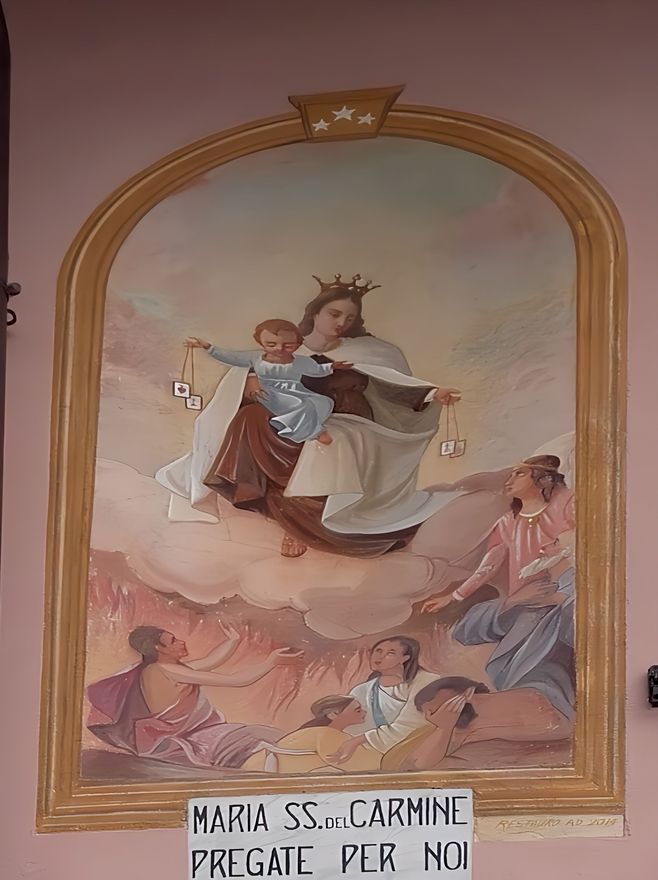
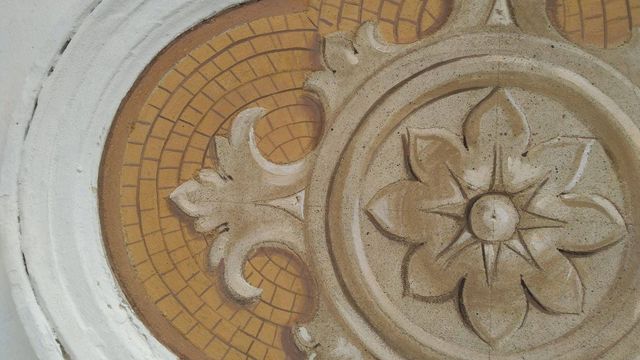
Pictorial integration and chromatic rebalancing
After consolidation and cleaning, restoration may include pictorial integration interventions aimed at visually reconstructing the surface. These are delicate operations, performed with attention to the chromatic coherence and structure of the original work.
The additions are not intended to completely recreate the missing parts, but to restore visual continuity to the surface, preventing gaps or alterations from disrupting the overall perception. The work is carried out using techniques that allow the contemporary intervention to be distinguished from the original, thus maintaining a proper balance between conservation and legibility.
Restorations on internal and external surfaces
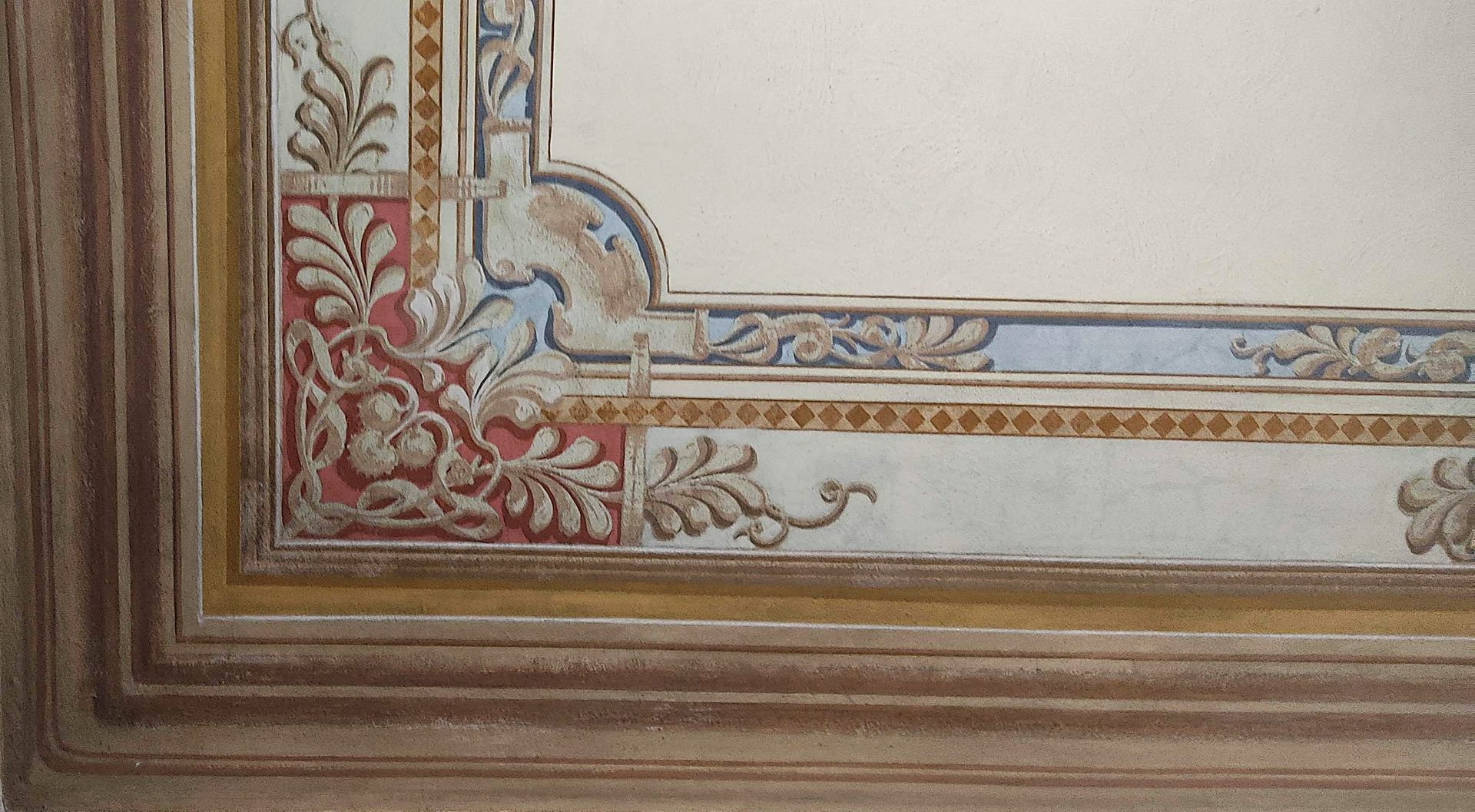
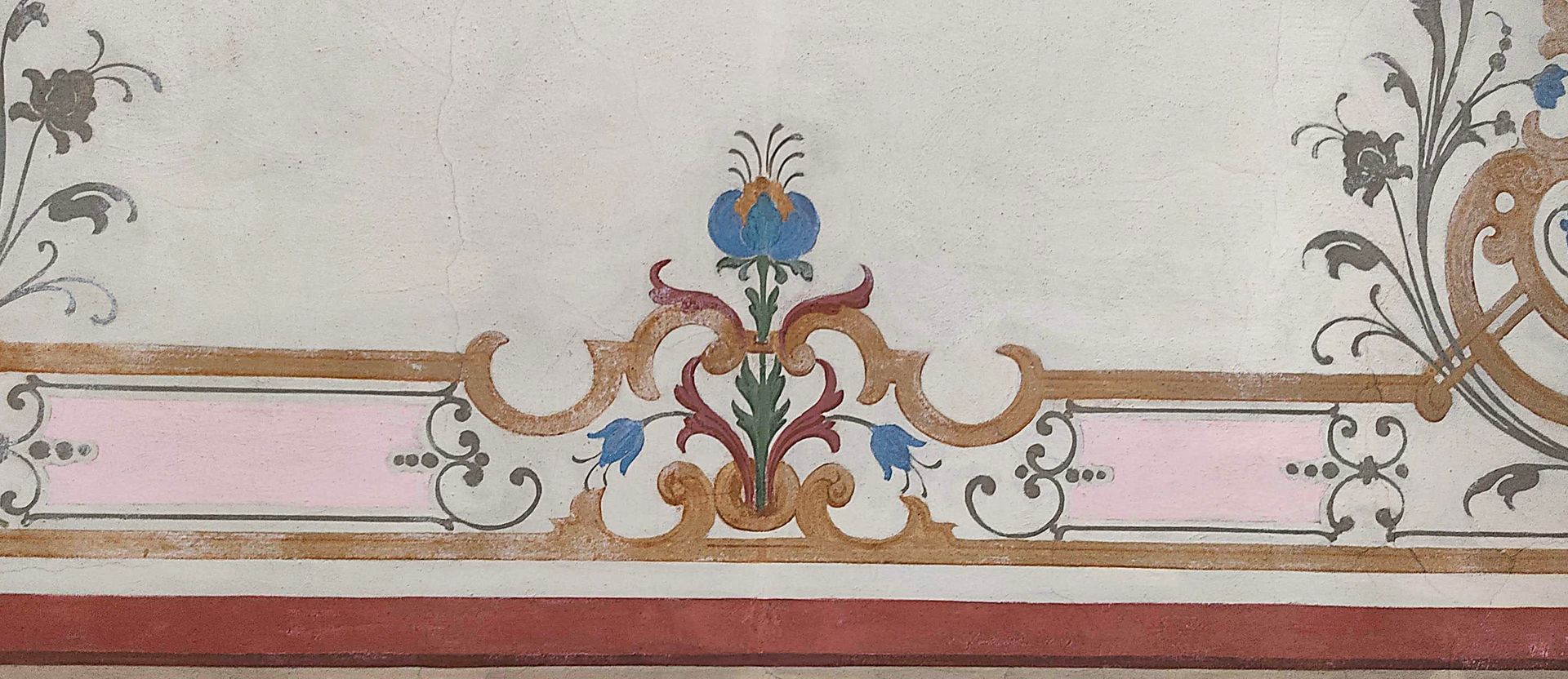
Restoration work can involve both interiors and exterior surfaces. Interiors often involve decorated walls, painted ceilings, ornamental elements, or artistic surfaces requiring consolidation and aesthetic restoration. Exteriors, however, may involve decorated facades, architectural paintings, or decorative elements exposed to the elements.
In both cases, the work involves a preliminary study of the artifact's condition and the drafting of a technical report outlining the operating procedures. This step is essential for understanding the work's state of conservation and identifying the most appropriate recovery techniques.
Exterior restoration requires particular attention to the durability of materials and their compatibility with the original substrate, while in interior environments greater attention is paid to the stability of the paint film and the overall chromatic balance.
Working method and attention to detail
Each restoration project is approached with a methodical approach that combines technical analysis and artistic sensitivity. The work is not limited to the execution phase, but involves a complex process that begins with surface evaluation and continues with the definition of the most appropriate techniques.
The main operational phases include:
- preliminary analysis of the state of conservation
- study of original materials and painting techniques
- definition of the intervention method
- execution of cleaning, consolidation and integration operations
- final check of chromatic and material balance
This method allows for precise intervention, reducing the risk of alterations and keeping the original structure of the work as intact as possible.
An intervention that preserves visual memory
Restorations primarily aim to protect the decorative and pictorial heritage of buildings. Each surface tells a story of techniques, materials, and aesthetic choices that belong to a specific historical moment. Intervening with expertise means preserving this memory and allowing the work to continue to interact with the space and its inhabitants.
Restoration, in this sense, becomes an act of responsibility towards the building's past and future. Restoring legibility to a mural or consolidating a painted surface means allowing that work to continue to exist and tell its own story over time.
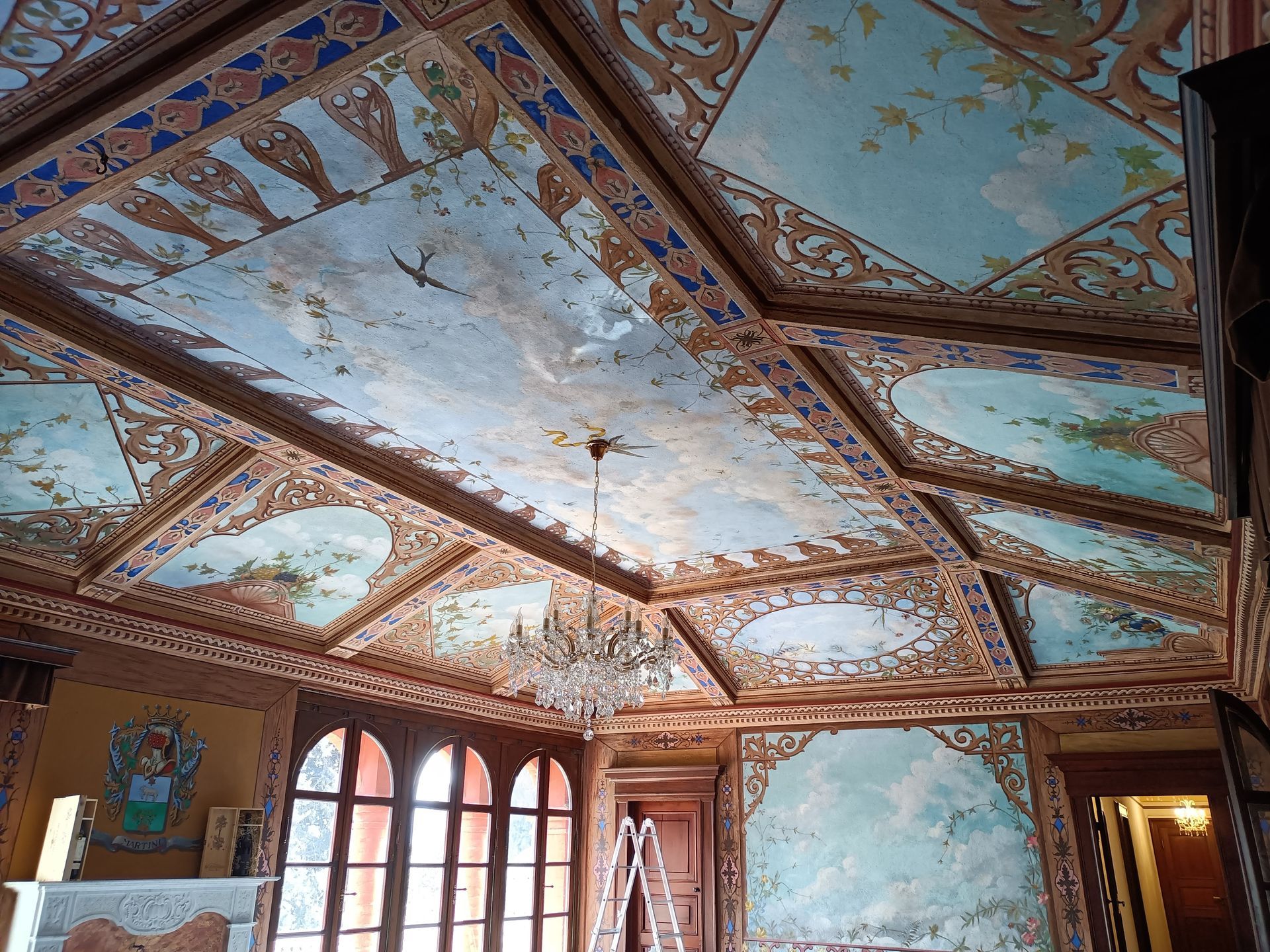
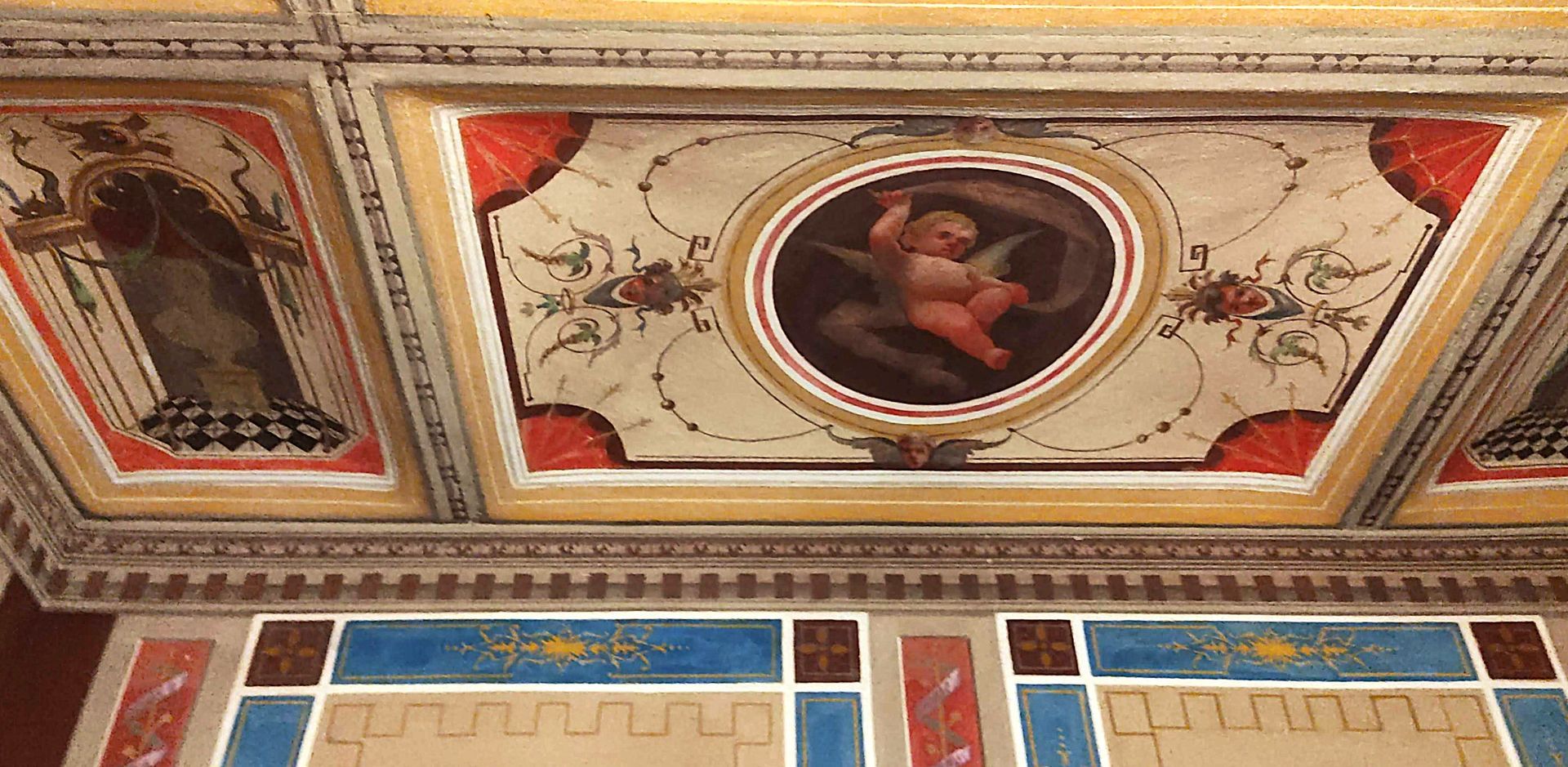
INTERIOR ART DECORATION PAINTING RESTORATION
Button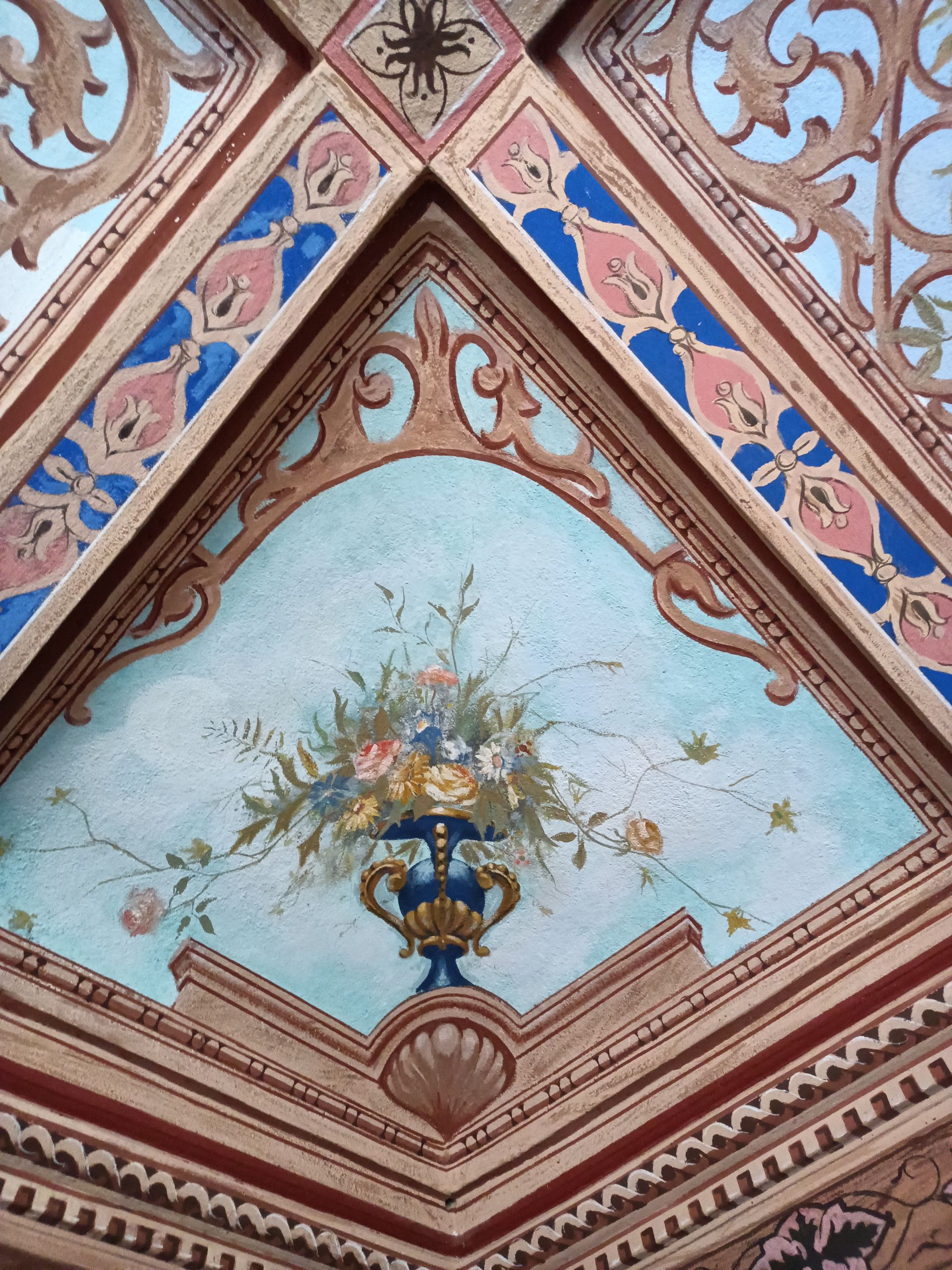
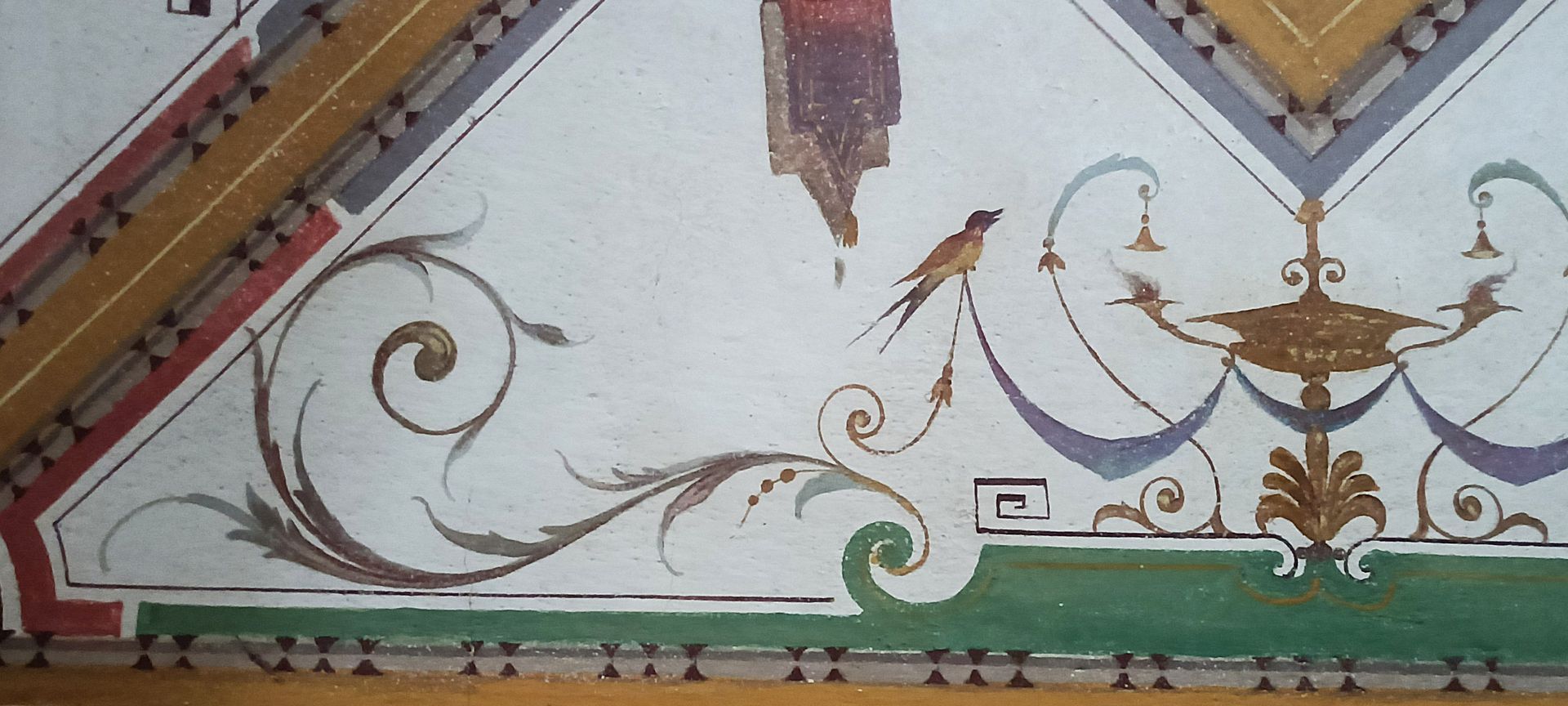
INTERIOR ART DECORATION, DETAIL PICTORIAL RESTORATION
Button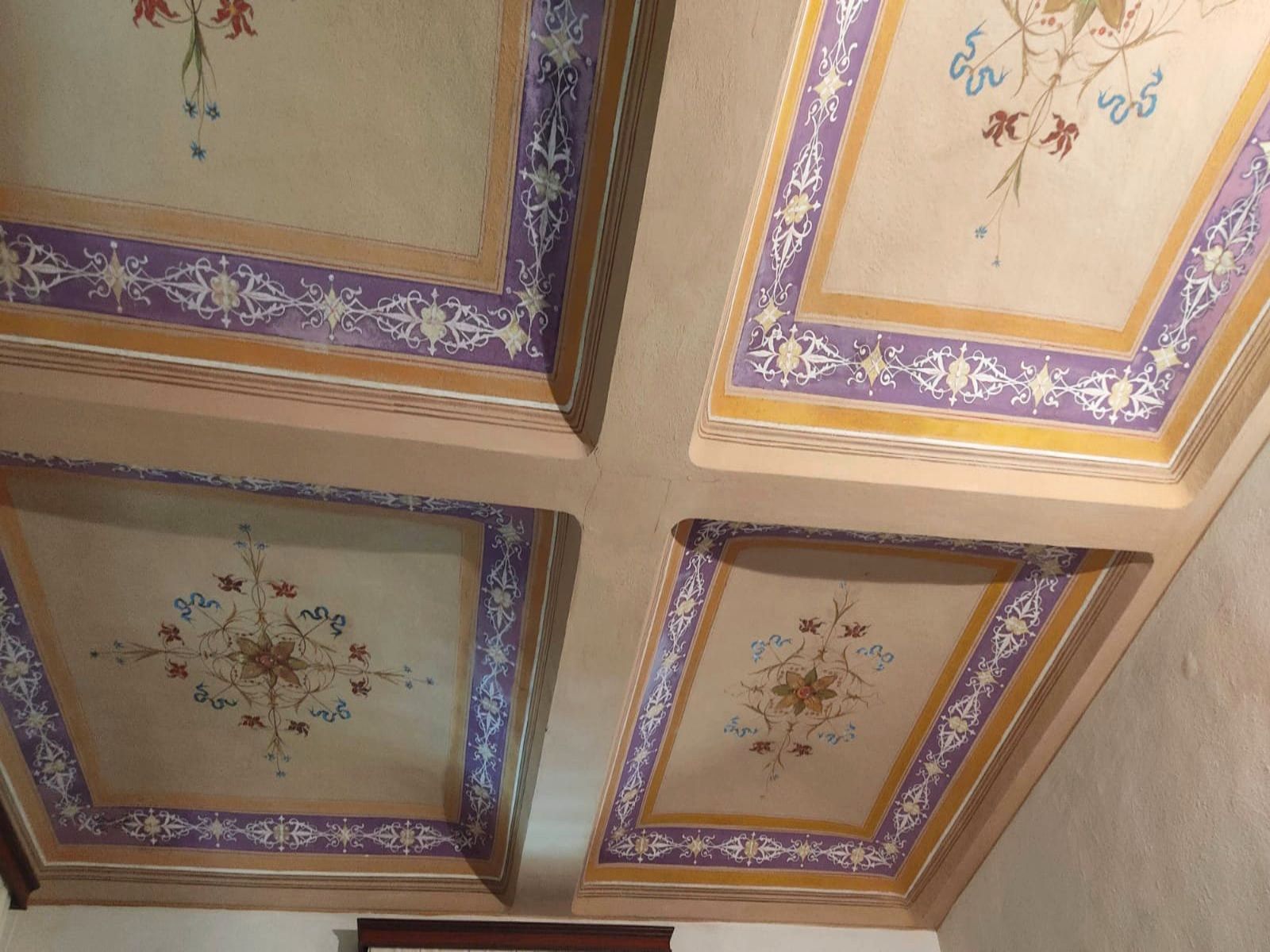
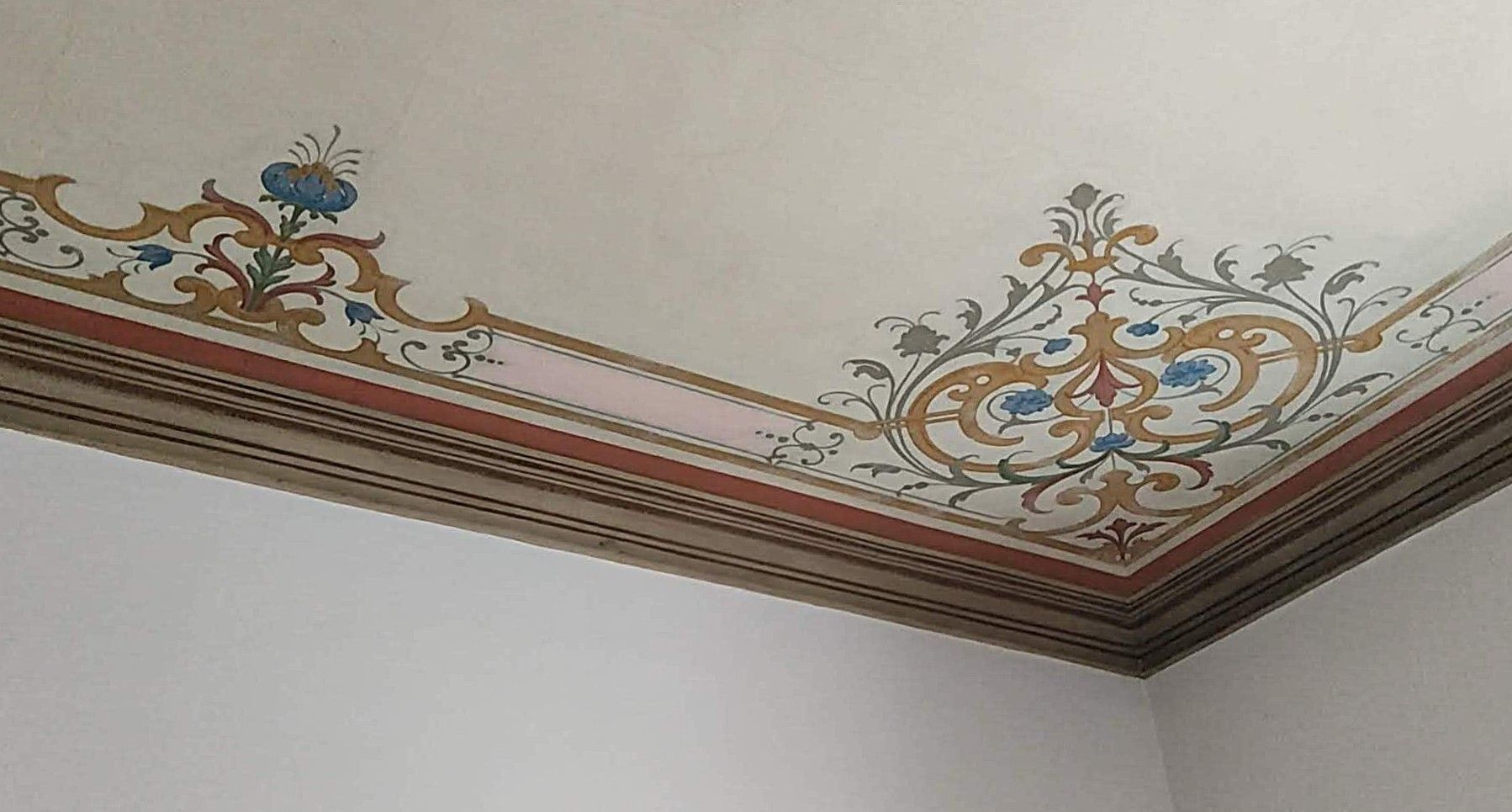
INTERIOR ARTISTIC DECORATION COATED CEILING
Button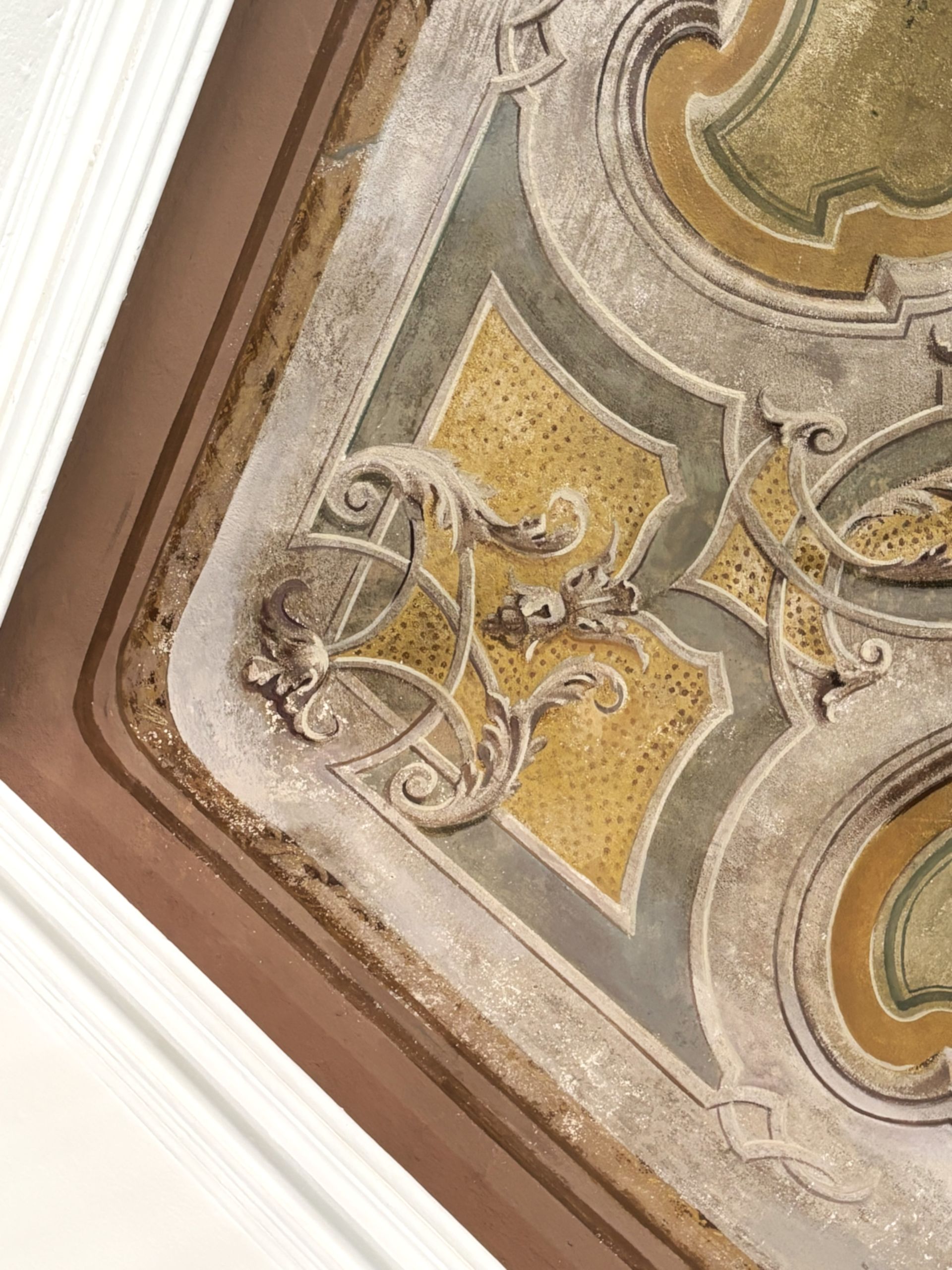
RESTORATION
Button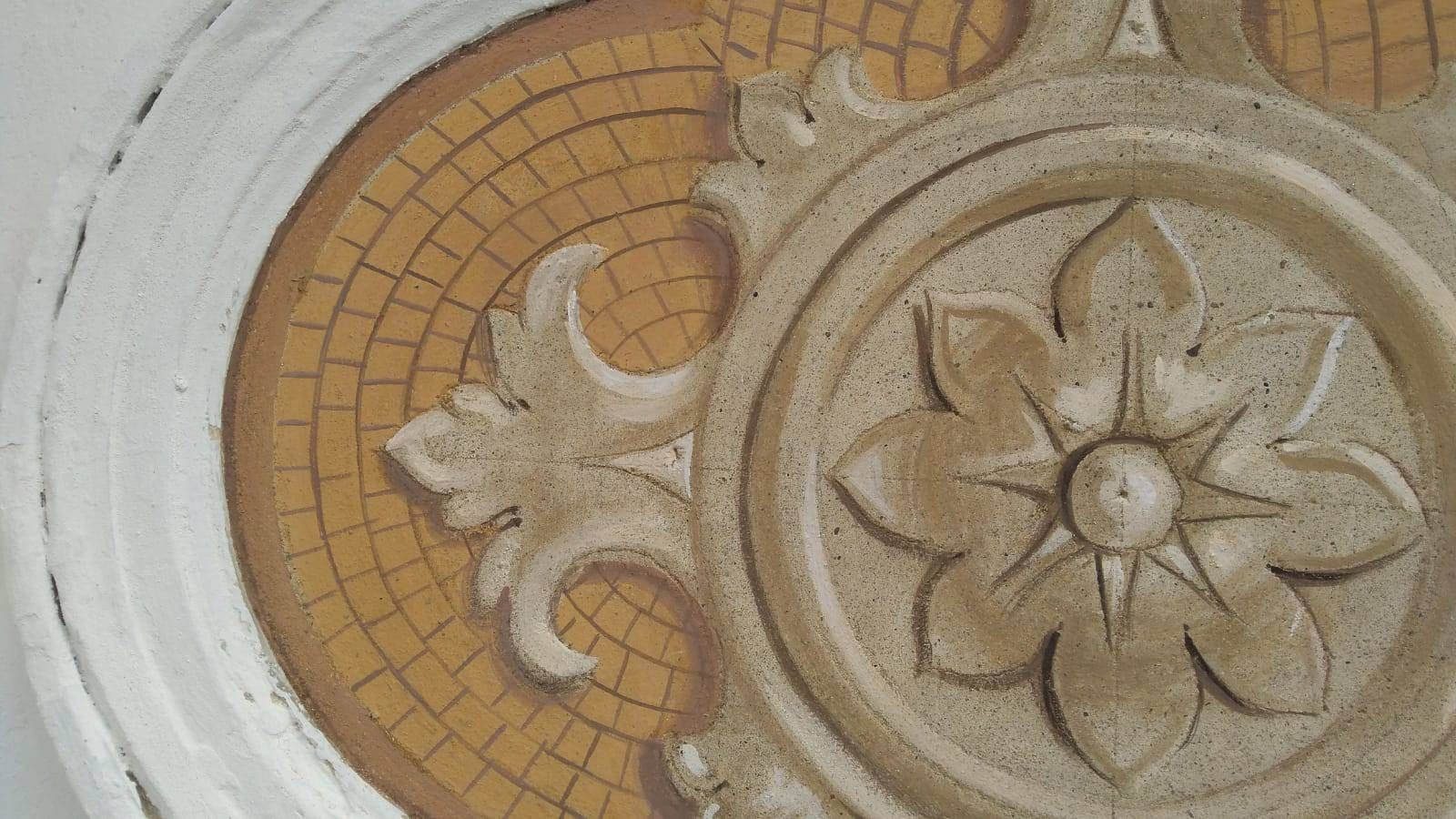
Request an inspection for your restoration
Contact Daniel Montrucchio for more information on restorations and to request technical advice on restoring painted surfaces and wall decorations.
FAQ
What interventions do the restorations include?
The restorations include cleaning of the painted surfaces, consolidation, conservative filling, pictorial integrations and chromatic rebalancing of the decorated surfaces.
Can painting restoration also be performed on external facades?
Yes, restoration work can involve both internal surfaces and decorated external facades, using methods suited to the environmental conditions.
Does the restoration alter the original work?
No, the goal of restoration is to conserve and enhance the original material, intervening only where necessary to ensure the stability and legibility of the work.
Is a surface analysis performed before restoration?
Yes, each intervention is preceded by a technical analysis and a study of the artifact's condition to define the most appropriate restoration method.
Is it possible to restore wall decorations damaged by time?
Yes, through cleaning, consolidation, and pictorial integration, it is possible to recover many deteriorated wall surfaces, restoring their visual balance and stability.